Concerns over the integrity of Nigeria’s electoral process have emerged following reports that former Kano State Governor and New Nigeria Peoples Pa
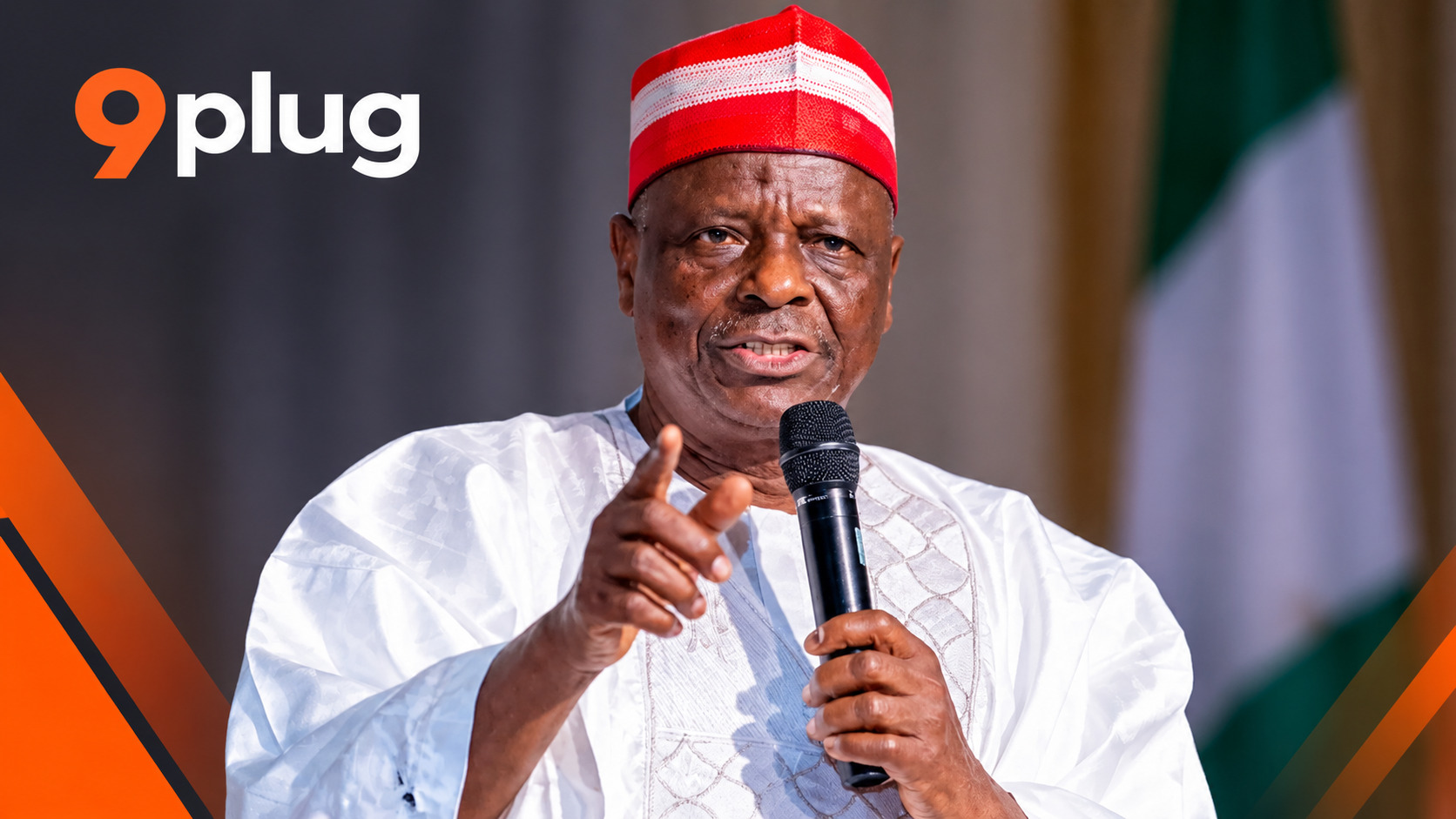
Concerns over the integrity of Nigeria’s electoral process have emerged following reports that former Kano State Governor and New Nigeria Peoples Party (NNPP) leader Rabiu Musa Kwankwaso raised concerns about the alleged use of artificial intelligence (AI)-generated images in the Independent National Electoral Commission (INEC) voter register.
The allegation has drawn attention to the growing role of digital technology in election administration and the potential risks posed by manipulated or artificially generated images. As Nigeria prepares for future elections, questions about voter identification, register accuracy and public confidence in electoral institutions remain important.
Kwankwaso Raises Concerns Over Voter Register Integrity
Kwankwaso’s reported concerns centre on the possibility that AI-generated images could appear in the national voter register, raising questions about the verification procedures used to establish voters’ identities.
A credible voter register is essential to conducting transparent and reliable elections. It helps electoral officials confirm eligible voters, reduce the risk of impersonation and ensure that electoral resources are allocated appropriately.
If artificially generated or manipulated images are found in an official voter database, the situation could raise concerns about the effectiveness of identity verification and the safeguards used to prevent fraudulent registrations.
However, the specific images, evidence and circumstances behind the reported allegation would need to be independently verified before conclusions could be drawn about the scale of the problem or whether electoral rules were violated.
The Growing Threat of AI-Generated Images
Artificial intelligence has made it easier to create realistic images of people who may not exist or to manipulate existing photographs. Although the technology has legitimate applications in several industries, it can also be misused to produce misleading identification materials and deceptive digital content.
In the context of elections, such technology could potentially complicate identity checks if registration systems rely heavily on photographs without adequate verification procedures.
The concern extends beyond voter registration. AI-generated images and other synthetic media can also be used to spread misinformation, impersonate public figures and influence public opinion during election campaigns.
These risks make it increasingly important for election management bodies to adopt appropriate technological safeguards while ensuring that legitimate voters are not unfairly excluded from the electoral process.
INEC’s Role in Protecting the Voter Register
The Independent National Electoral Commission is responsible for maintaining Nigeria’s voter register and administering federal and state elections in accordance with applicable electoral laws.
To maintain public confidence, the commission needs effective procedures for verifying voter identities, detecting duplicate registrations, correcting errors and investigating credible reports of irregularities.
Where allegations involving AI-generated images arise, appropriate responses could include reviewing flagged records, checking registration evidence, examining the integrity of relevant digital systems and publishing clear findings where investigations establish that problems occurred.
Independent verification and transparent communication would help distinguish genuine technical or administrative failures from unsubstantiated claims.
Implications for Nigeria’s Electoral Credibility
Public confidence is central to the legitimacy of democratic elections. Allegations concerning the accuracy of the voter register can generate uncertainty, particularly when they involve emerging technologies that many people may not fully understand.
For political parties, election observers and civil society organisations, the priority should be to ensure that concerns are supported by verifiable evidence and addressed through established electoral procedures.
INEC’s handling of credible complaints will be important in demonstrating that the voter registration process remains transparent, accountable and protected against manipulation.
At the same time, the use of AI should not automatically be treated as evidence of electoral fraud. Investigations must establish whether images are genuinely synthetic, whether they were submitted as part of voter registration and whether any applicable rules were breached.
The Way Forward
Strengthening Nigeria’s voter registration system requires a combination of reliable technology, human oversight and public accountability.
INEC can help address emerging risks by improving image verification procedures, conducting regular data-quality checks, strengthening cybersecurity and providing accessible channels for reporting suspected irregularities.
Political leaders and members of the public also have a responsibility to avoid spreading unverified claims that could undermine confidence in the electoral process.
As AI technology continues to develop, Nigeria’s electoral institutions will need to adapt their safeguards to ensure that technological advances do not compromise the credibility of democratic participation.
Conclusion
Kwankwaso’s reported warning about AI-generated images in the INEC voter register highlights an important question about the security and reliability of digital voter identification in Nigeria.
The allegation underscores the need for credible verification, transparent investigations and stronger safeguards against the misuse of artificial intelligence. Ultimately, any confirmed irregularities must be addressed through evidence-based action to protect the integrity of the voter register and maintain public confidence in Nigeria’s elections.
Editorial note: The specific allegation and its supporting evidence should be confirmed against a reliable news report or an official statement from Kwankwaso or INEC before publication.
Tinubu’s 2027 Election Campaign Council: Wike, Soludo, Adeleke and the Opposition Question

COMMENTS