
Africa’s public health authorities have called for unity, transparency and stronger cooperation in responding to Ebola outbreaks, with the Africa Ce
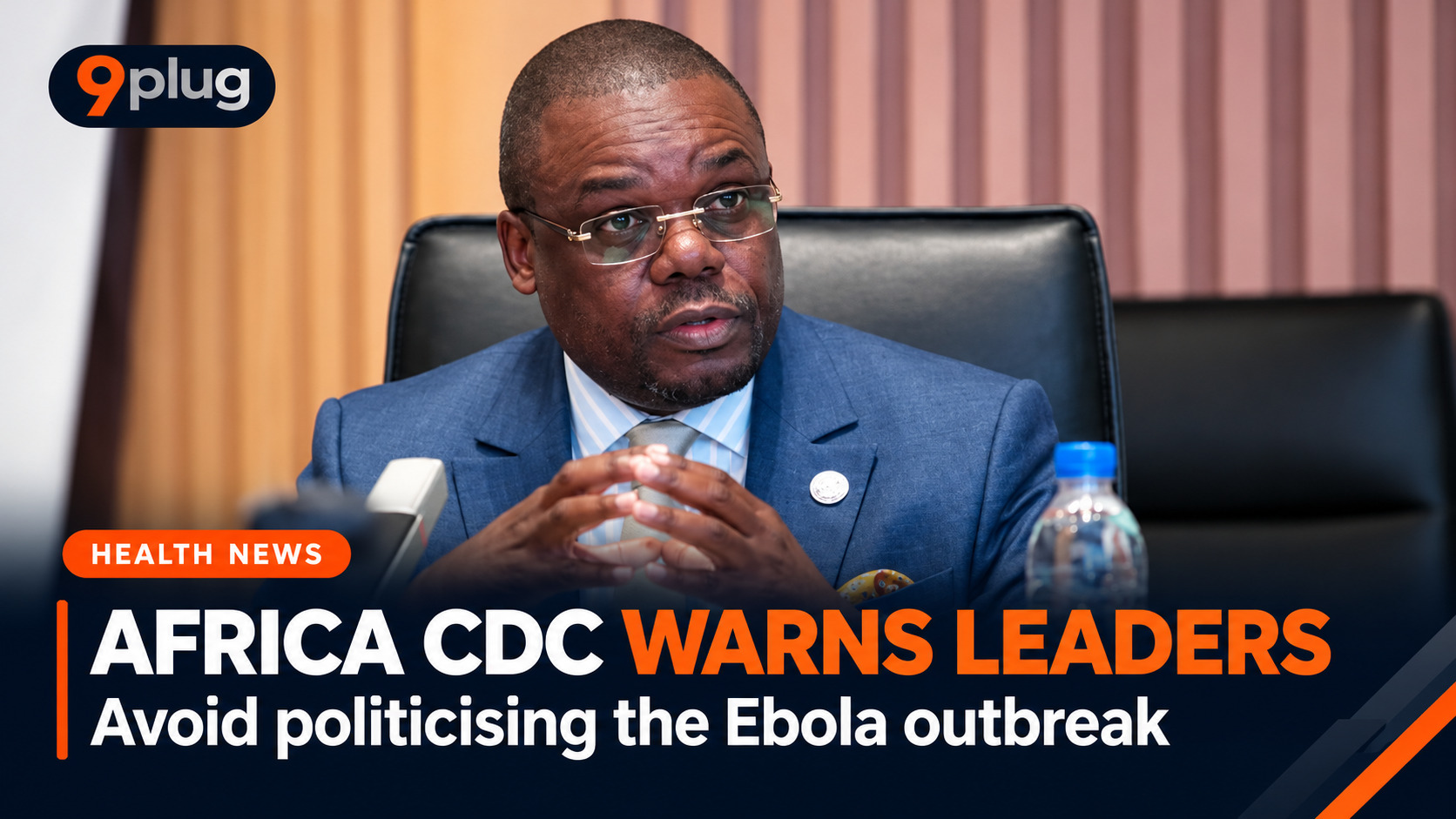
Africa’s public health authorities have called for unity, transparency and stronger cooperation in responding to Ebola outbreaks, with the Africa Centres for Disease Control and Prevention (Africa CDC) warning leaders against politicising the situation or engaging in finger-pointing.
The warning highlights the importance of a coordinated, science-based response to infectious disease outbreaks, particularly when public trust, cross-border cooperation and timely information sharing are essential to protecting lives.
Africa CDC Calls for Unity in Ebola Response
Ebola remains a serious public health threat because of its potential to spread rapidly through direct contact with the bodily fluids of infected people or contaminated materials. Controlling an outbreak requires early detection, effective surveillance, prompt medical care and cooperation between affected communities and health authorities.
Politicising an outbreak or blaming other countries and institutions can undermine these efforts. When leaders focus on assigning responsibility rather than coordinating a response, valuable time and resources may be lost.
A unified approach allows countries to share information, coordinate emergency measures and mobilise the medical personnel, equipment and funding needed to contain the disease.
Why Finger-Pointing Can Undermine Public Health Efforts
Public health emergencies require timely decisions and clear communication. Political disputes can make it more difficult for authorities to communicate consistent messages, build public confidence and encourage people to seek medical assistance when symptoms develop.
Misinformation and stigma can also discourage individuals from reporting suspected cases or cooperating with health workers. In communities affected by Ebola, trust is particularly important because early reporting, contact tracing and adherence to public health guidance can help interrupt transmission.
African leaders and public health agencies therefore have a shared responsibility to prioritise evidence-based decisions, communicate openly and support affected populations without discrimination.
Regional Cooperation Remains Essential
Because people travel across national borders for business, education and family visits, an outbreak in one country can create public health concerns for neighbouring states. This makes regional cooperation a key component of Africa’s preparedness strategy.
The Africa CDC works with African Union member states and public health partners to strengthen disease surveillance, laboratory capacity, emergency preparedness and responses to infectious disease threats.
Cooperation among countries can help ensure that suspected cases are identified quickly, laboratory testing is conducted promptly and accurate information reaches the public. It can also support the movement of essential medical supplies and the deployment of trained health professionals where they are needed.
Rather than engaging in political blame, governments can strengthen joint surveillance systems, share reliable outbreak data and coordinate measures based on scientific evidence.
The Importance of Public Awareness and Prevention
Public awareness remains a vital part of Ebola prevention and control. People should follow guidance issued by recognised health authorities and seek prompt medical attention if they suspect exposure or develop symptoms consistent with Ebola.
Health workers must also have appropriate protective equipment, training and infection prevention procedures to reduce the risk of transmission in healthcare settings.
Communities should receive clear information about how Ebola spreads, the importance of early reporting and the availability of medical support. Communication should be respectful and sensitive to local customs to prevent fear and stigma from obstructing public health interventions.
A Call for Responsible Leadership
The warning attributed to Africa CDC reinforces a broader message about managing health emergencies: public health protection should take priority over political disagreements.
African governments can strengthen their response by investing in healthcare systems, improving emergency preparedness, supporting disease surveillance and ensuring that information is shared transparently between countries.
The effectiveness of an Ebola response depends not only on medical resources but also on leadership, public trust and cooperation. A coordinated regional strategy offers countries a stronger foundation for containing outbreaks and reducing their impact on communities.
As African nations continue to confront infectious disease threats, collaboration and evidence-based action remain essential to protecting public health across the continent.
Israeli Settler Violence Targets Palestinians and European Officials in the West Bank

COMMENTS