
US President Donald Trump has said that suspending sanctions against Russia is intended to keep peace negotiations moving forward, highlighting the
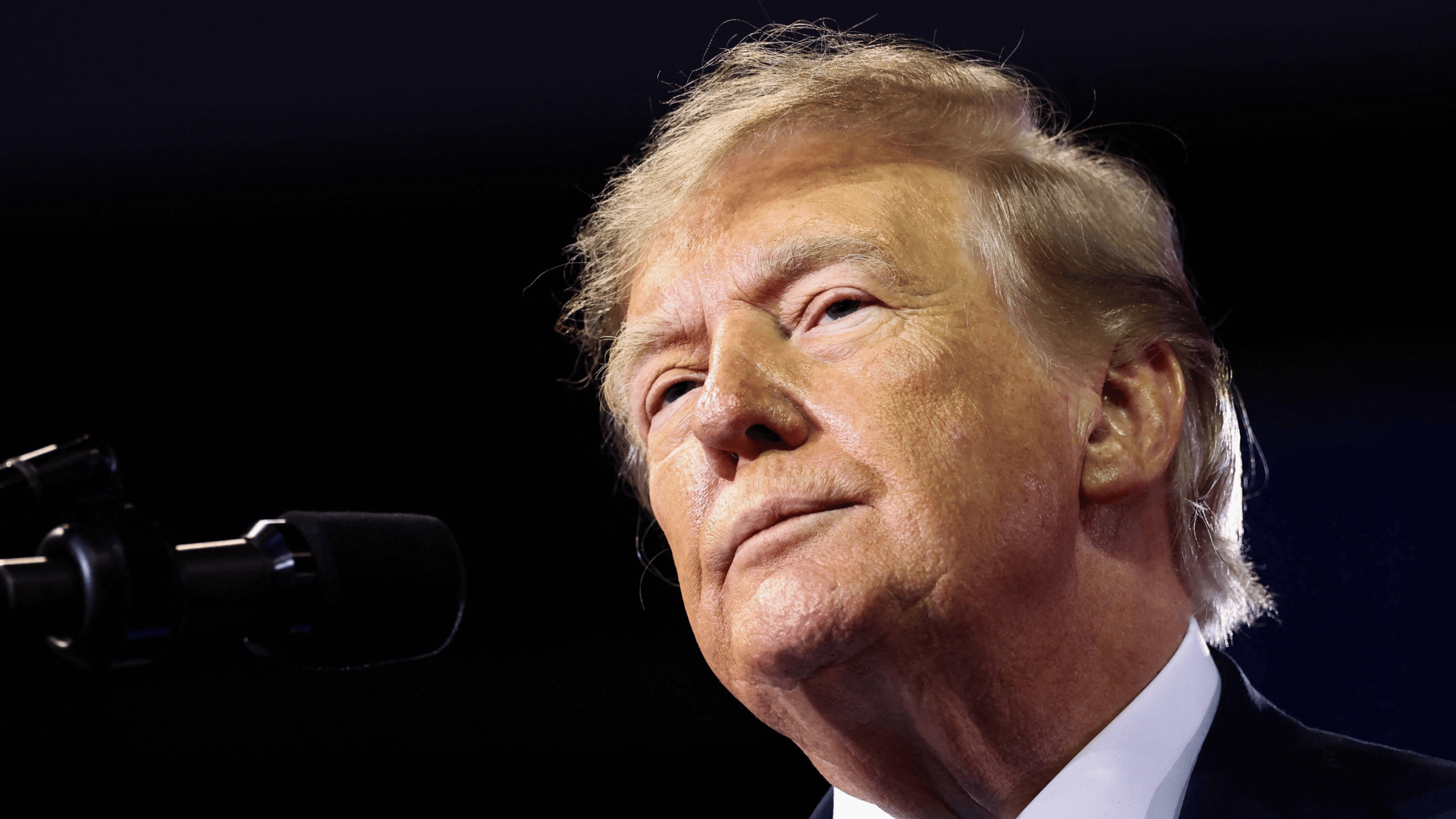
US President Donald Trump has said that suspending sanctions against Russia is intended to keep peace negotiations moving forward, highlighting the role of economic pressure and diplomacy in efforts to address the war involving Russia and Ukraine.
The position reflects the difficult balance facing policymakers as they consider how sanctions, diplomatic engagement and negotiations might influence the prospects for a settlement. Sanctions have been a significant part of Western efforts to pressure Moscow over its actions in Ukraine, while diplomatic initiatives have sought ways to reduce hostilities and establish conditions for peace.
Trump’s explanation places negotiations at the centre of the decision, suggesting that maintaining opportunities for dialogue is an important consideration in determining how sanctions are applied.
Why Russia Sanctions Matter
Sanctions are economic and political measures used by governments to influence the behaviour of other states. Measures targeting Russia have included restrictions on financial transactions, trade, energy-related activities and individuals or organisations associated with the Russian government.
The stated objectives of such measures have included increasing the economic costs of the war, limiting access to resources and encouraging changes in policy.
However, sanctions can also become a point of contention during diplomatic negotiations. Governments must consider whether maintaining restrictions strengthens their negotiating position or whether temporarily easing particular measures could help create conditions for an agreement.
Any suspension must therefore be assessed in light of its scope, duration, conditions and potential consequences.
The Role of Diplomacy in the Russia-Ukraine Conflict
Peace negotiations involving Russia and Ukraine face significant challenges, including disagreements over territory, security guarantees, military activity and the terms of any lasting settlement.
The United States has played an important role in international efforts to influence the course of the conflict. Decisions concerning sanctions can affect relations between Washington and Moscow, as well as coordination with European governments and other international partners.
Supporters of diplomatic engagement may argue that flexibility can help sustain communication and open opportunities for compromise. Others may worry that easing restrictions without clear commitments could reduce pressure on Russia or weaken the position of Ukraine and its allies.
The impact of any sanctions suspension will depend on the measures involved and whether it is linked to verifiable progress in negotiations.
Questions Surrounding the Suspension
Several questions are important in evaluating the policy.
First, the precise sanctions affected must be established. A temporary waiver covering specific transactions or activities would have different implications from a broad suspension of restrictions.
Second, the conditions attached to the decision matter. Policymakers and observers will want to know whether relief is temporary, whether it can be reversed and whether it depends on particular diplomatic or security commitments.
Third, the responses of Russia, Ukraine and other international partners will help determine how the decision affects the wider negotiations.
It is important to distinguish the stated purpose of a policy from its demonstrated results. Saying that sanctions are being suspended to keep peace negotiations going does not, by itself, establish that the measure will produce an agreement or reduce hostilities.
What Happens Next?
The next steps will depend on the progress of diplomatic discussions, the positions taken by the parties and any additional decisions by the US government or its international partners.
Observers will be watching for official statements clarifying the scope of the sanctions suspension, the conditions under which it operates and whether it forms part of a broader negotiating framework.
The response from Ukraine and European governments will also be significant, particularly if the decision affects existing coordination on sanctions or the terms being discussed for a potential settlement.
For the policy to contribute meaningfully to peace efforts, its practical effects will need to be assessed against developments on the ground and the commitments made during negotiations.
Conclusion
Trump’s stated intention to suspend Russia sanctions to keep peace negotiations going highlights the continuing debate over the relationship between economic pressure and diplomacy. While sanctions remain an important foreign-policy tool, their role can change as governments explore possible paths toward ending conflict.
The key issue is whether the decision helps sustain credible negotiations and produces measurable progress toward a durable settlement. The scope of the suspension, the conditions attached to it and the responses of the parties involved will be essential to understanding its wider significance.
Editorial note: Confirm the date, exact sanctions affected and the original source of Trump’s statement before publication. The article describes the stated rationale but does not independently verify the specific policy announcement or its implementation.
Trump’s explanation: On October 18, 2026, Trump said he wanted to keep Russia at the negotiating table and avoid jeopardising peace talks https://www.aol.com/articles/trump-says-suspension-russia-sanctions-221057000.html?
Ukraine’s response: President Volodymyr Zelenskyy criticised the move, arguing that easing sanctions could strengthen Russia’s position in the war.https://www.aol.com/articles/trump-says-suspension-russia-sanctions

COMMENTS