
A diagnosis of aggressive brain cancer can change a person's life in an instant, bringing uncertainty, difficult treatment decisions, and questions
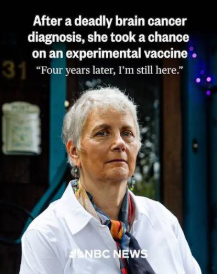
A diagnosis of aggressive brain cancer can change a person’s life in an instant, bringing uncertainty, difficult treatment decisions, and questions about the future. For Tracey Kassman, a diagnosis of glioblastoma in 2022 forced her to confront the possibility that her time might be limited. Rather than giving up on the future she hoped to enjoy, she decided to explore an experimental treatment that could offer another option.
Kassman enrolled in a clinical trial investigating SurVaxM, an experimental cancer vaccine designed to help the immune system recognise and attack glioblastoma cells. Her experience highlights the role of clinical research in exploring new approaches to one of the most challenging forms of brain cancer.
https://www.roswellpark.org/cancertalk/202507/brain-cancer-clinical-trial-traceys-story
A Diagnosis That Changed Everything
In January 2022, Kassman, then 64, learned that she had glioblastoma, an aggressive and fast-growing malignant brain tumour. The diagnosis brought the reality of a serious illness into sharp focus.
Glioblastoma remains difficult to treat, even with advances in neurosurgery, radiation therapy, chemotherapy, and other approaches. Outcomes vary from patient to patient, and the disease can return despite treatment.
Following her diagnosis, Kassman received radiation and chemotherapy at Roswell Park Comprehensive Cancer Center in Buffalo, New York.
Although she understood the seriousness of her condition, she also recognised that there were still experiences she wanted to have and more time she hoped to spend with the people she loved.
An Opportunity to Join an Experimental Vaccine Trial
In April 2022, Kassman’s neurologic oncologist, Dr Chinazom Ibegbu, discussed a clinical trial involving an experimental cancer vaccine called SurVaxM.
The opportunity gave her another treatment option to consider. She chose to participate, hoping that research might offer a chance to extend her life.
Kassman joined the double-blind SURVIVE clinical trial, which investigates whether adding SurVaxM to standard treatment can improve outcomes for people with newly diagnosed glioblastoma.
The trial is double-blind, meaning participants do not know whether they are receiving the experimental vaccine or a placebo. Both groups receive standard treatment, allowing researchers to compare outcomes more reliably.
As a result, Kassman cannot be certain that she personally received the active vaccine. Her participation reflects both the possibilities and the uncertainties involved in experimental cancer research. https://www.roswellpark.org/cancertalk/202507/brain-cancer-clinical-trial-traceys-story
What Is SurVaxM, and How Does It Work?
SurVaxM is an investigational immunotherapy developed by researchers at Roswell Park. Unlike preventive vaccines that protect people against certain infections, therapeutic cancer vaccines are designed to stimulate the immune system in people who already have cancer.
SurVaxM targets a protein called survivin, which is produced by many cancer cells and can help them survive. The vaccine is intended to encourage the body to produce immune responses capable of recognising and attacking tumour cells that contain this protein.
The goal is to help the immune system identify cancer cells that might otherwise evade the body’s natural defences.
Researchers are studying whether this approach can improve outcomes when used alongside established treatments for glioblastoma.
However, SurVaxM remains investigational. Its potential benefits, risks, and effectiveness must be assessed through clinical trials before conclusions can be drawn about its role in routine cancer care. https://www.roswellpark.org/cancer/brain/treatment/immunotherapy-glioblastoma
Why Clinical Trials Matter in Brain Cancer Research
Glioblastoma presents significant challenges for researchers because of its aggressive growth, ability to resist treatment, and tendency to recur.
Clinical trials help scientists evaluate new therapies under carefully monitored conditions. They also allow researchers to investigate side effects, determine whether a treatment improves survival, and compare experimental approaches with existing standards of care.
Earlier research into SurVaxM produced encouraging findings. A single-arm Phase 2A study reported in 2022 suggested that the vaccine, when combined with standard treatment, was associated with longer survival than researchers would have expected from standard treatment alone.
However, a study without a concurrent comparison group cannot establish the same level of evidence as a randomised controlled trial. Larger studies are needed to determine whether the apparent benefit is attributable to the treatment.
The subsequent Phase 2B SURVIVE trial was designed to provide stronger comparative evidence. Roswell Park reported in 2026 that the trial had completed enrolment and that its results were undergoing detailed analysis. The vaccine is not currently enrolling new patients in that trial.
Life Beyond the Diagnosis
For Kassman, participating in the trial has been about more than a possible medical benefit. It has also been an opportunity to focus on the parts of life that bring her meaning and enjoyment.
In her account published by Roswell Park in July 2025, she described taking up water aerobics, completing a writing workshop, spending time gardening, and enjoying more moments with her family.
Her story illustrates how people facing serious illnesses may continue to pursue personal interests, relationships, and meaningful experiences while undergoing treatment.
It also demonstrates the importance of supportive medical teams and research institutions that help patients understand available options and navigate difficult decisions.
Kassman’s experience is personal, however, and cannot predict how another person with glioblastoma will respond to treatment.
What Patients Should Know About Experimental Cancer Vaccines
Although developments in cancer immunotherapy have attracted considerable attention, experimental treatments require careful evaluation.
Patients considering a clinical trial should discuss several important questions with their oncology team:
What is the purpose of the trial, and what stage of research has the treatment reached?
What are the known or potential risks and side effects?
Will participants receive the experimental treatment, a placebo, or standard care?
What other treatment options are available?
What costs, travel requirements, and follow-up visits might be involved?
How will the research team monitor safety and communicate results?
Joining a clinical trial is a personal decision that should be made with qualified medical professionals after reviewing the potential benefits, risks, and alternatives.
Patients should not stop, delay, or replace prescribed cancer treatment with an experimental vaccine without discussing the decision with their treating oncologist.
Conclusion
Tracey Kassman’s decision to participate in an experimental brain cancer vaccine trial reflects the determination of a patient seeking options after a serious diagnosis. By joining research into SurVaxM, she became part of an effort to investigate whether a targeted immune response could improve treatment outcomes for people with glioblastoma.
Her experience also highlights an important distinction: taking part in a promising clinical trial does not guarantee that a patient receives the experimental drug or benefits from it. The scientific value of the research depends on carefully analysing results and establishing whether the treatment is safe and effective.
As researchers continue investigating new approaches to glioblastoma, stories such as Kassman’s show why clinical research, patient support, and accurate communication about medical evidence matter.
Disclaimer: This article is for informational purposes only and is not a substitute for professional medical advice. Experimental cancer treatments should be discussed with a qualified oncology team.
Sources
https://www.roswellpark.org/cancertalk/202507/brain-cancer-clinical-trial-traceys-story

COMMENTS